
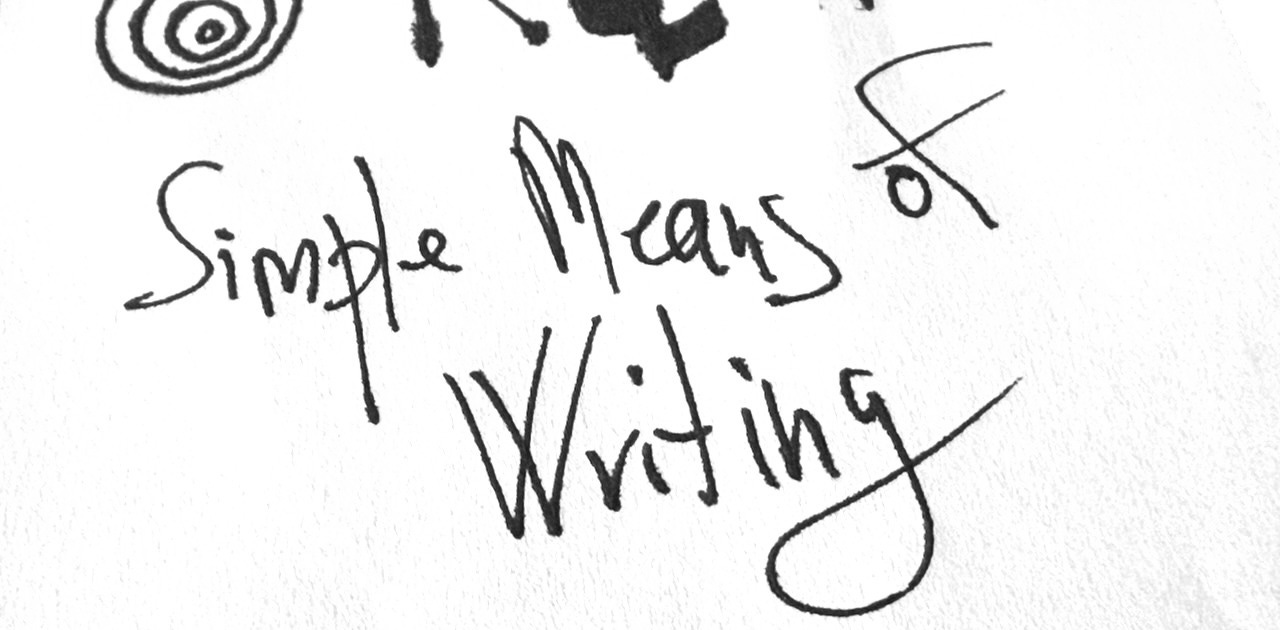
I. The Language
Language is an artifact that you use to communicate with others and with the future you’s.
When you don’t have anything except the words, you still have to simulate the meaning beyond words somehow, if you want to write anything coherent (distinguishable from noise) or to tell if the words make sense (might be useful in the future)
This is how any language model, even as simple as an embedding model, becomes the world model
II. The Models
All models are wrong, some models are useful
Having an absolutely precise model of some system is the same as having a copy of that system, whether you want it or not
Discrete mathematical models do not introduce errors by themselves, but are still limited by the inputs you used to test them
III. Hypotheses
Natural and artificial minds use models to produce hypotheses, whether ideas, insights, drafts, plans or whatever
Creatures then use those hypotheses to act upon the world to confirm them and to use them
Before acting, you can and usually do affirm or reject a hypothesis by comparing it against other models. A lot of this happens unconsciously.
IV. Experiments and the Confidence
Experiment is the ultimate conclusion and the only way to tell the signal from the noise. Still, nothing is perfect and every step introduces noise and error.
You interpret the experiment results in terms of your other concepts and other models. This is why the misinterpretation and miscommunication happens.
Confidence is a belief in that either your models are close enough for you to succeed, or you have enough resources to adjust and try again anyway
V. The Hallucinations
Natural and artificial minds use the language to communicate and cooperate to enact some change on physical and imaginary objects.
Huge, important parts of collective reality like calendar, money, species or nations are collectively shared hallucinations that are still useful to bear to have at least some chance to understand the complexity of the world and to operate in it.
It’s important both to ground yourself to be able to cooperate, and to keep parts of yourself schizo enough to create anything, instead of disappearing into the background of others’ models and being used
VI. Thinking with Large Language Models
Use them to test your own hypotheses where you don’t know better. This helps you get better hypotheses that you still have to test against reality. Like, “Will I finish cooking this on time? Oh yes, looks like I have plenty of time”. Maybe.
Use them to generate hypotheses where you don’t know better. Then test those hypotheses against whatever you consider reality or a good enough model of one. Test the code, proofread the texts. Pick your gems, reject the other 99%.
The art in the museums is beautiful because it survived thousands of filters already. The life of a good artist is harsh because they are their own harshest critics who don’t let the slop out.
VII. To be continued
This is a draft. This is likely a slop. A human-originated slop typed over one hour, without edits.
Still, I’m curious what do you think of it. Trying to stop being too critical and editing everything into oblivion.
Fin.